
Artfully Bourbon / November 26, 2026Kentucky bourbon production has fallen nearly 30%, yet more bourbon is aging in warehouses than ever before. What does that mean for the industry, the bottles on our shelves and the prices we pay?
Imagine being a master distiller in 2021.
Bourbon was booming. Enthusiasts lined up outside liquor stores, bottles commanded multiples of their suggested retail prices, and distilleries expanded to keep up with demand. Your job wasn't simply to make enough whiskey for the following year. It was to figure out how much bourbon people would want to drink in 2027, 2030 and beyond.
Now imagine making that same decision today.
The bourbon is still aging, but the market it was intended for has changed.
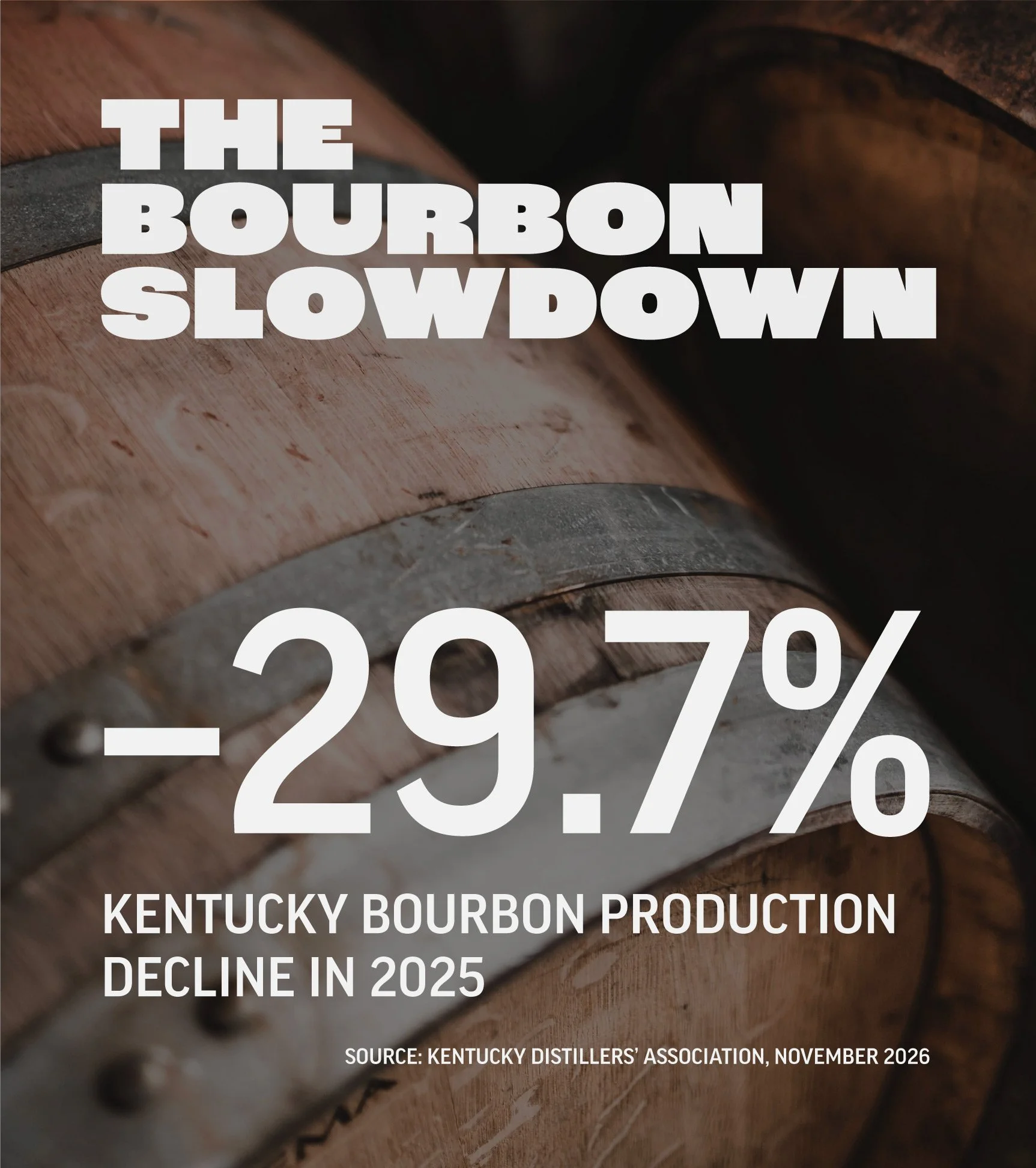
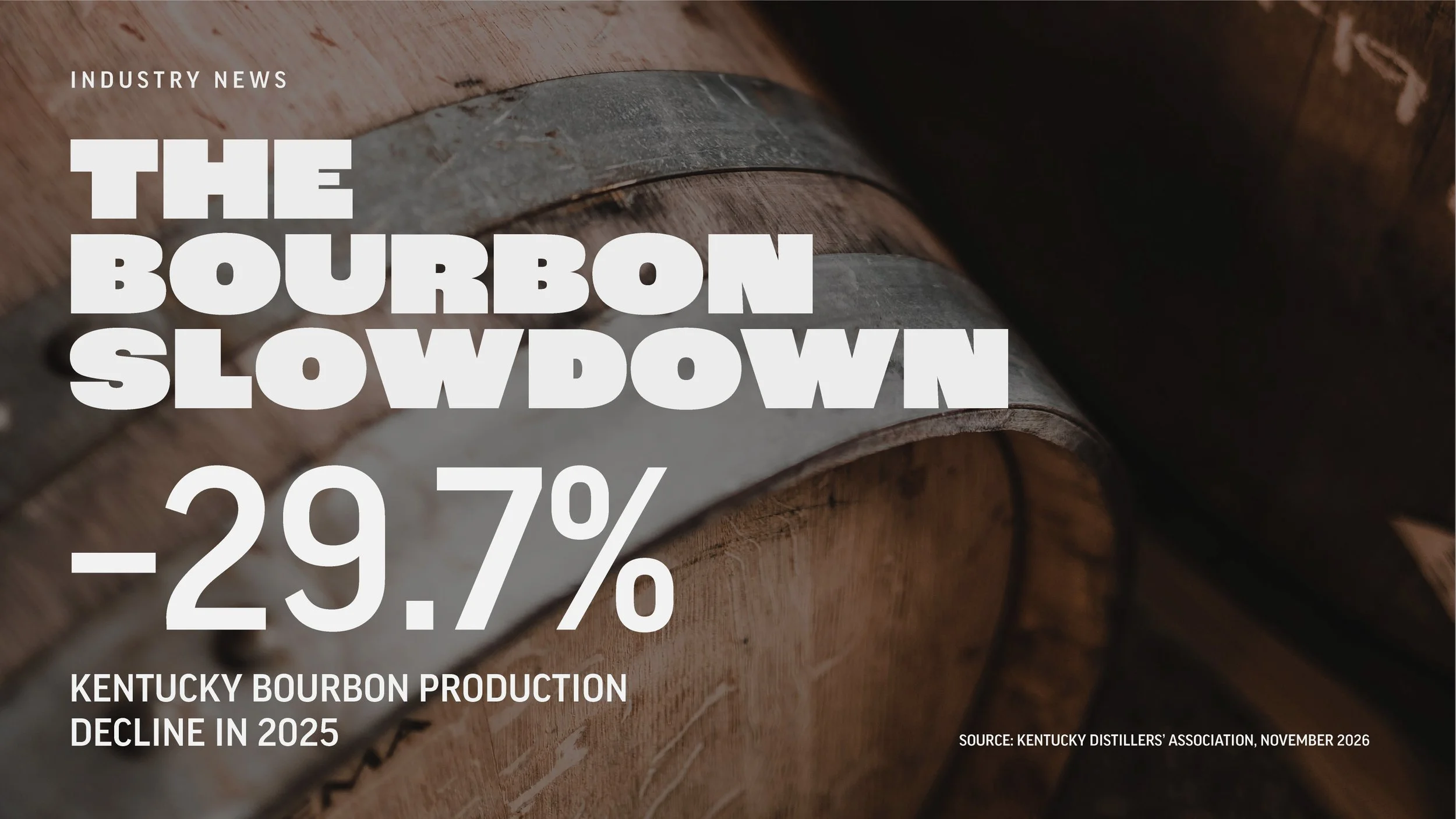
On November 23, the Kentucky Distillers’ Association (KDA) released new production and inventory figures that put the industry's slowdown into perspective. Kentucky bourbon production fell 29.7% in 2025, reaching its lowest level since 2019. At the same time, aging bourbon inventories reached another record.
We've been talking about a possible bourbon market correction for a while. Now we're starting to see what that correction actually looks like.
A Whole Lot of Bourbon
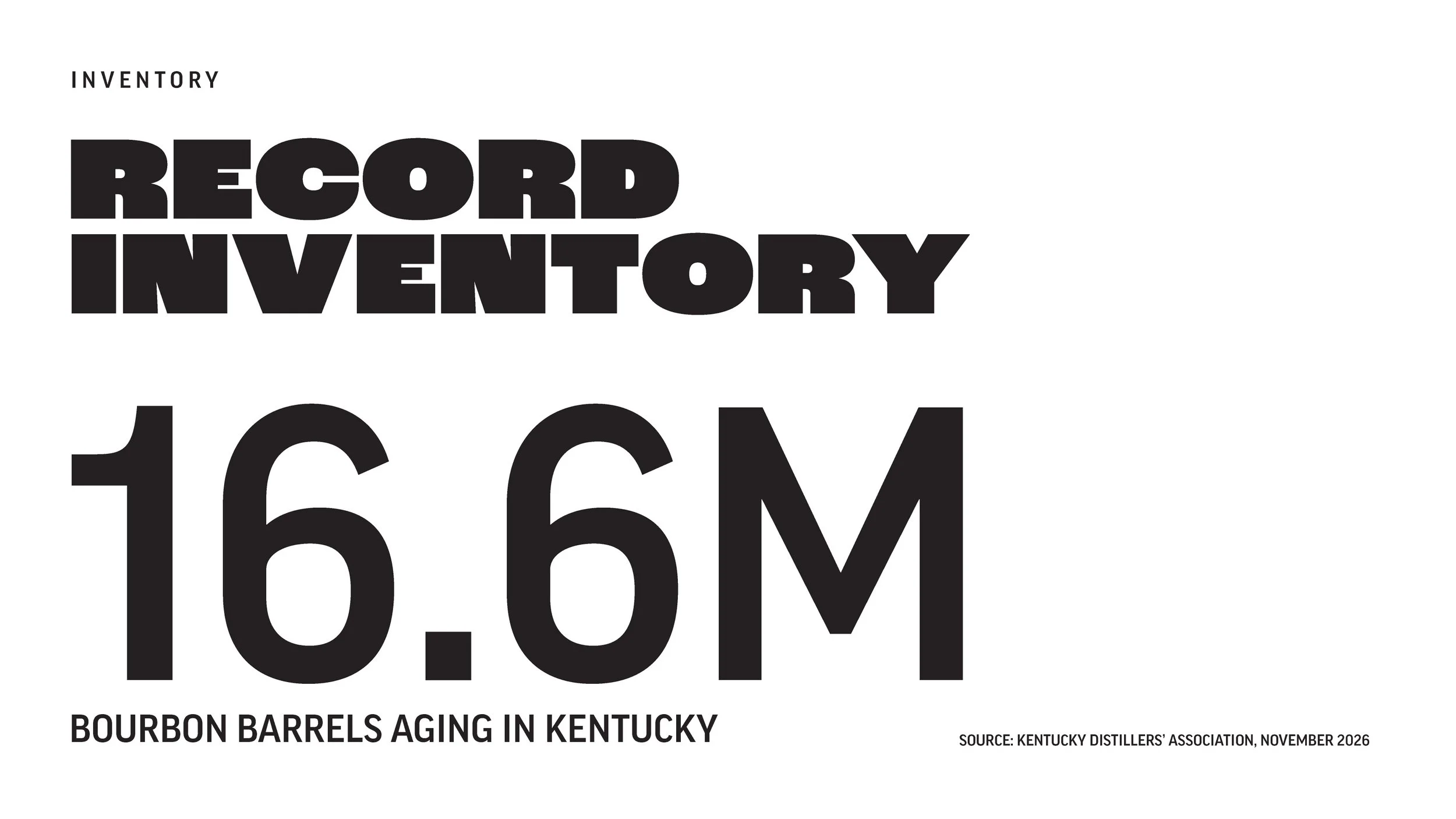
A record 16.6 million barrels of bourbon were aging in Kentucky at the beginning of 2026, up just 3% from the previous year. That's roughly three and a half barrels for every person living in the Commonwealth.
But before we start dreaming of shelves full of affordable 12-year-old bourbon, there's an important detail buried in the data.
According to an economic impact report commissioned by the KDA and published in February 2026, more than 70% of Kentucky's bourbon inventory at the end of 2024 was four years old or younger. Only 3% was older than eight years.
That's an important distinction. Kentucky has an enormous amount of bourbon, but it doesn't necessarily have an enormous amount of old bourbon.
The whiskey produced during some of the industry's biggest growth years is now approaching maturity. Distillers have to decide how much of that whiskey to bottle, how much to keep aging and whether the products they originally intended it for still make sense in today's market.
A barrel filled with the intention of becoming a six-year-old bourbon could eventually become an eight- or ten-year-old release if the market and the whiskey allow for it.
For enthusiasts, that's one of the more promising possibilities to come out of this slowdown.
Hitting the Brakes
Kentucky's production decline didn't begin in 2025. That was simply the year it became much more pronounced.
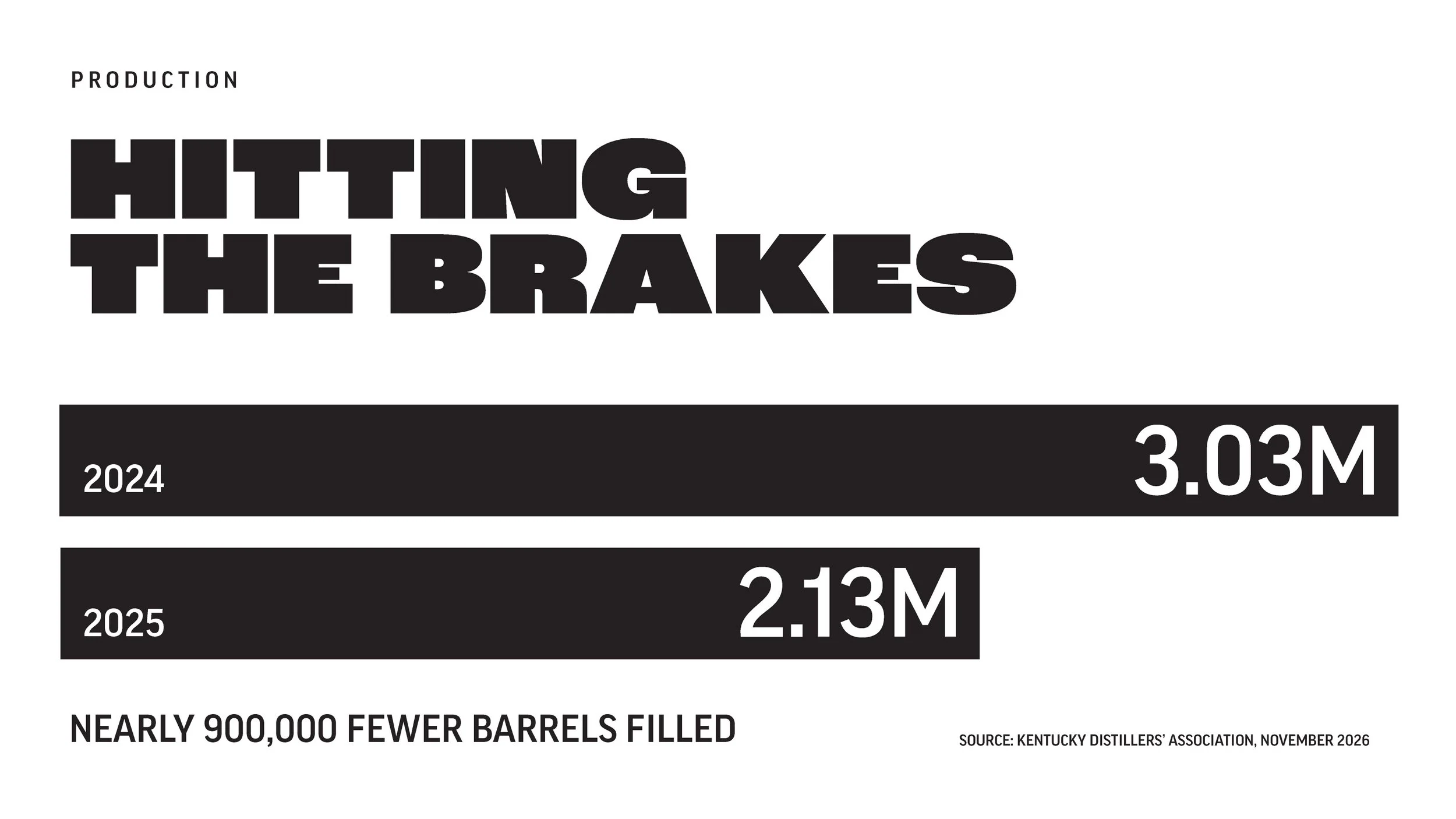
Production had already started to ease in 2024 following years of expansion. Then came a considerably larger reduction in 2025, with distillers filling approximately 900,000 fewer barrels than the previous year.
KDA President Eric Gregory expects production to decline further in 2026.
Part of the challenge is happening well beyond Kentucky. Whiskey exports from the state fell 15% in 2025, followed by another 11% year-over-year decline during the first half of 2026. Trade disputes, changing drinking habits and increased competition for consumers' disposable income are all complicating the picture.
But bourbon operates on a different clock.
Cutting production today doesn't immediately solve an inventory problem that has been building for years. The bourbon already aging in warehouses will take time to work its way through the market.
And the barrels that aren't being filled today won't be available five, eight or ten years from now.
If the industry cuts production too aggressively and demand eventually recovers, we could find ourselves having a very different conversation about bourbon availability in the next decade.
Too much whiskey today could contribute to too little whiskey tomorrow.
The Cost of Waiting
We tend to think of bourbon getting older as a good thing. For a distillery, it's a little more complicated.
Every additional year a barrel spends in a warehouse comes with financial consequences. There's the cost of storage, insurance, evaporation and the money invested in a product that hasn't generated a return yet.
And in Kentucky, there's another expense. Barrel taxes.
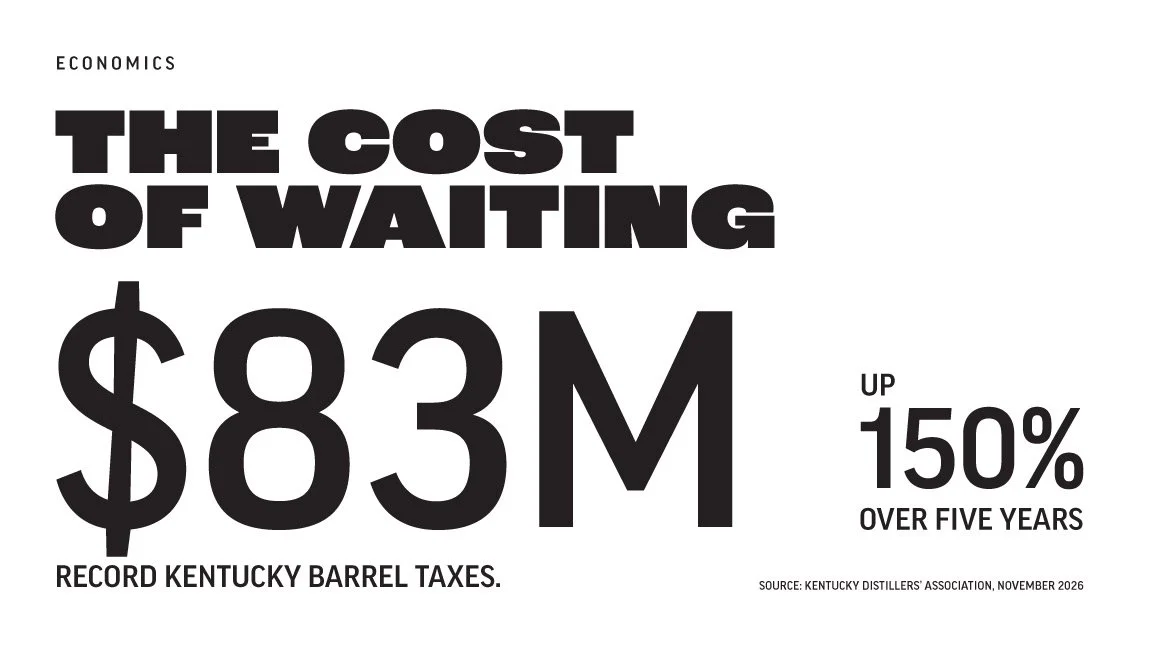
According to the KDA, Kentucky distillers are facing a record $83 million in state and local barrel taxes, a 150% increase over five years. Kentucky began a gradual, 20-year phaseout of its barrel tax following legislation passed in 2023, but the growing value of its aging spirits inventory continues to push the overall tax burden higher.
Leaving whiskey in a barrel longer could create a more valuable product, but it also costs money. Bottling it sooner could generate much-needed revenue, but only if there's enough demand for the finished product.
And while the largest whiskey producers may have the financial flexibility to wait, smaller distilleries with less established distribution and limited cash reserves may not have that luxury.
The market correction won't affect every distillery equally.
The AB Take
For much of the last decade, bourbon enthusiasts have been operating in a market that encouraged us to buy a bottle when we saw it, because we didn't know when we'd see it again.
What happens when that urgency starts to disappear?
One of the things we're most interested in is the potential return of meaningful age statements. As larger inventories mature, distilleries may have opportunities to introduce older expressions or bring back age statements that previously disappeared. We'd love to see more eight to twelve-year-old bourbons become part of regular lineups rather than exclusively limited releases.
We're also keeping an eye on the $50 to $100 price range. Rather than simply lowering prices, distilleries could compete by offering more age, higher proof, better blends or more distinctive whiskey. A $70 bottle that delivers more than it did three years ago is still an improvement in value, even if the price hasn't changed.
And if some of those historically difficult-to-find bottles become more accessible, we'll find out which ones truly live up to their reputations. When the excitement of finding a bottle wears off, the whiskey inside has to do more of the talking.
Of course, there's another side to all of this. Established brands competing more aggressively on price and availability could make it harder for smaller producers to earn shelf space. Some of the most interesting whiskey we've experienced in recent years has come from those smaller distilleries. We'd hate to see that creativity disappear as a consequence of the industry's correction.
We're not rooting for the bourbon industry to struggle. We're rooting for a market where distilleries have to earn our attention, not simply rely on scarcity, a limited release label or another $150 price tag.
More interesting whiskey. More transparency. Fair prices. Bottles we can actually find and, more importantly, bottles we want to buy again.
The last decade of bourbon was largely defined by growing demand and scarcity. The next few years could be defined by how well distilleries respond to abundance.
And as bourbon drinkers, we might finally have a little more room to be selective.
Sources & Further Reading:Kentucky Distillers’ Association: Kentucky Distillers Recalibrate, Cut Production To Address Uncertain Market & Economy | November 23, 2026Kentucky Distillers’ Association: The Economic and Fiscal Impacts of Kentucky’s Distilled Spirits Industry, 2024–2025 | February 2, 2026Global Drinks Intel: Kentucky Distillers Cut Bourbon Production by Third in 2025 | November 23, 2026
MORE BOURBON NEWS
Shop the Artfully Bourbon Mercantile
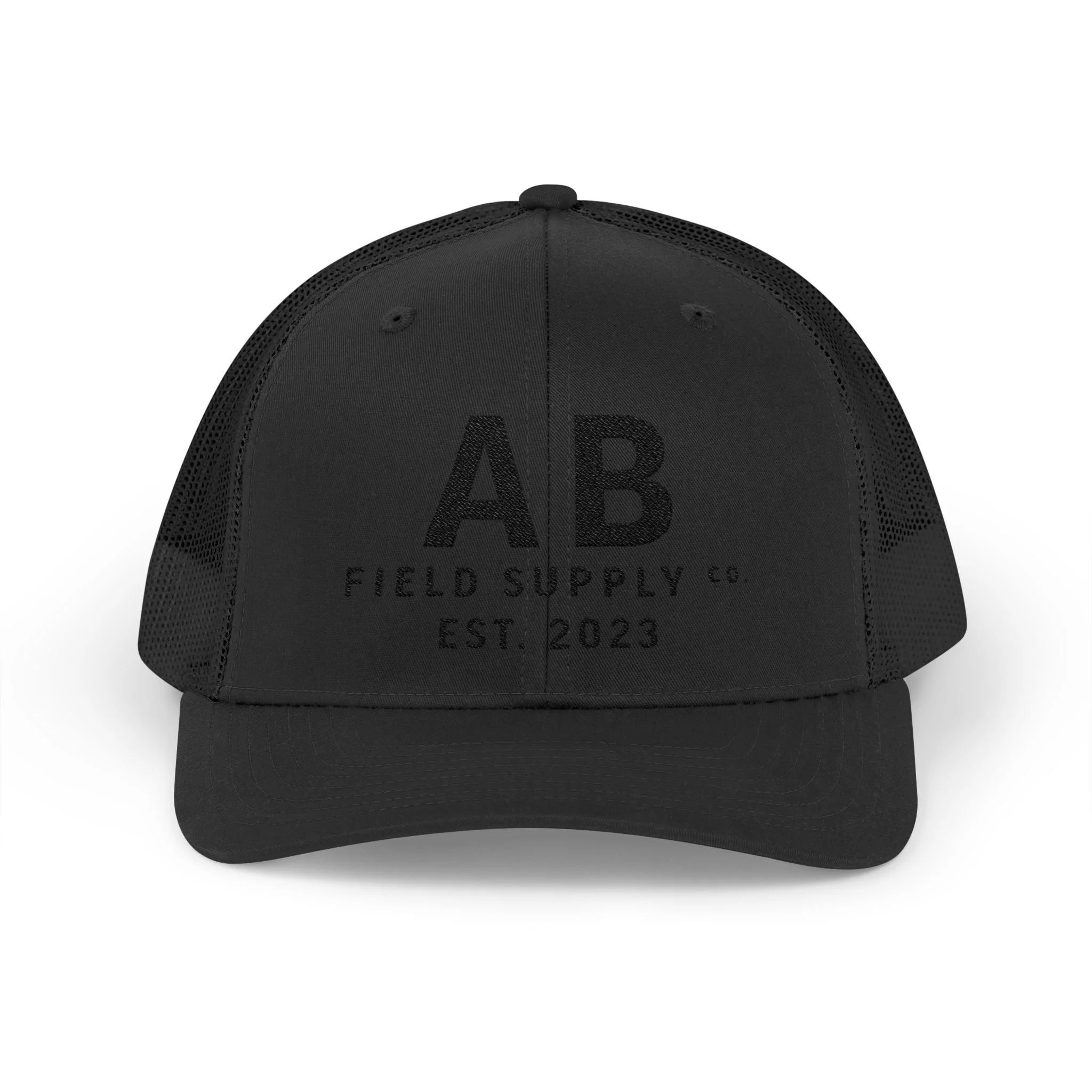
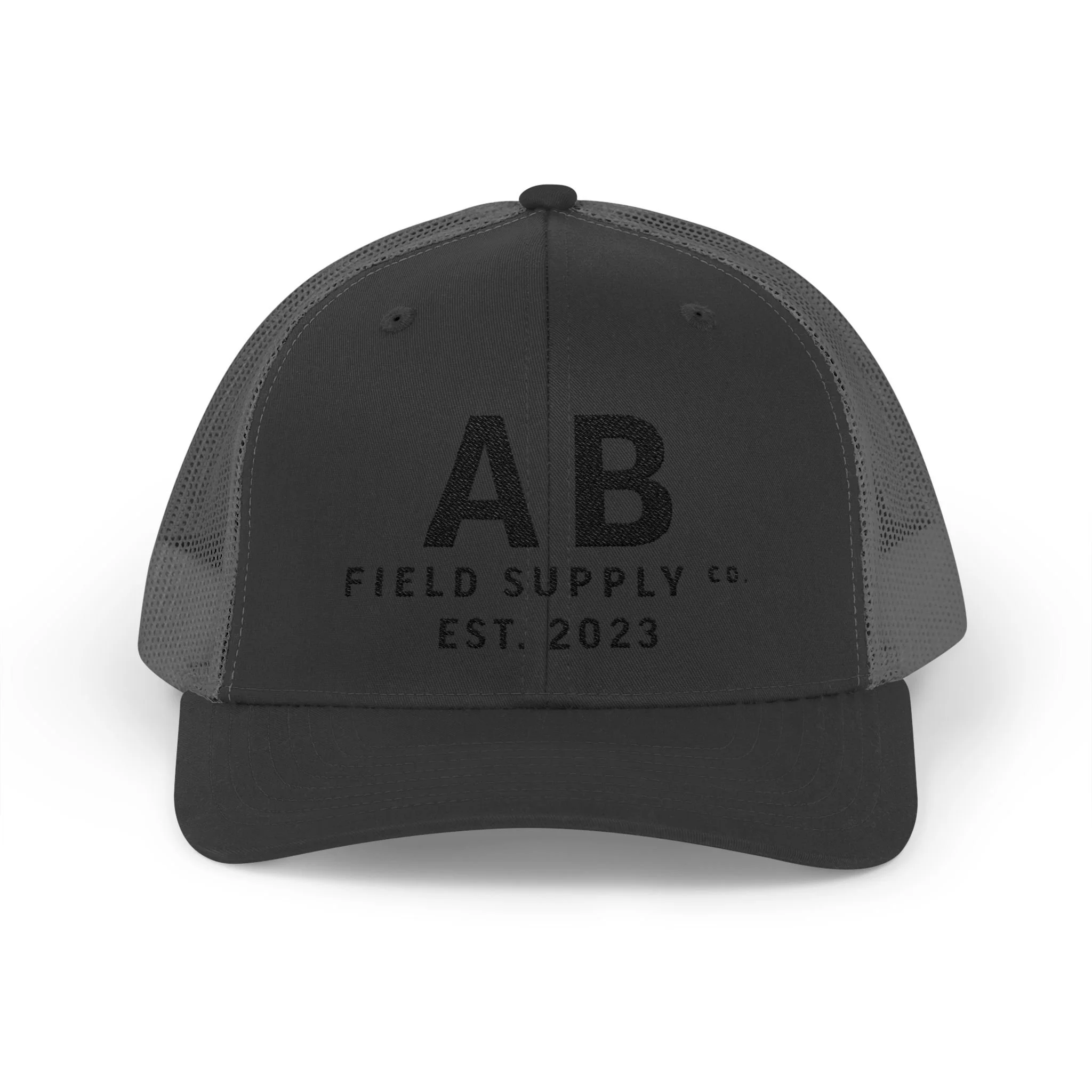
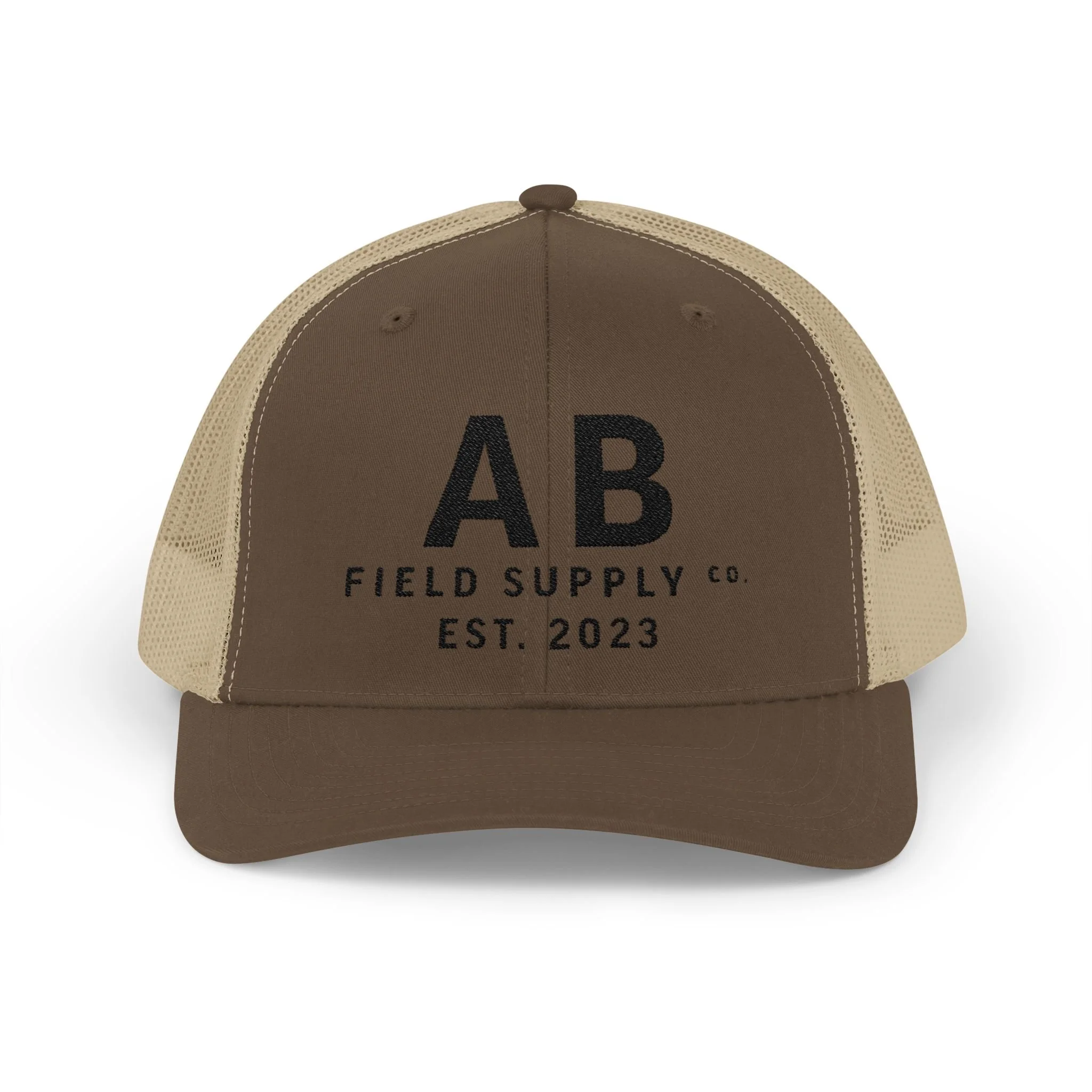
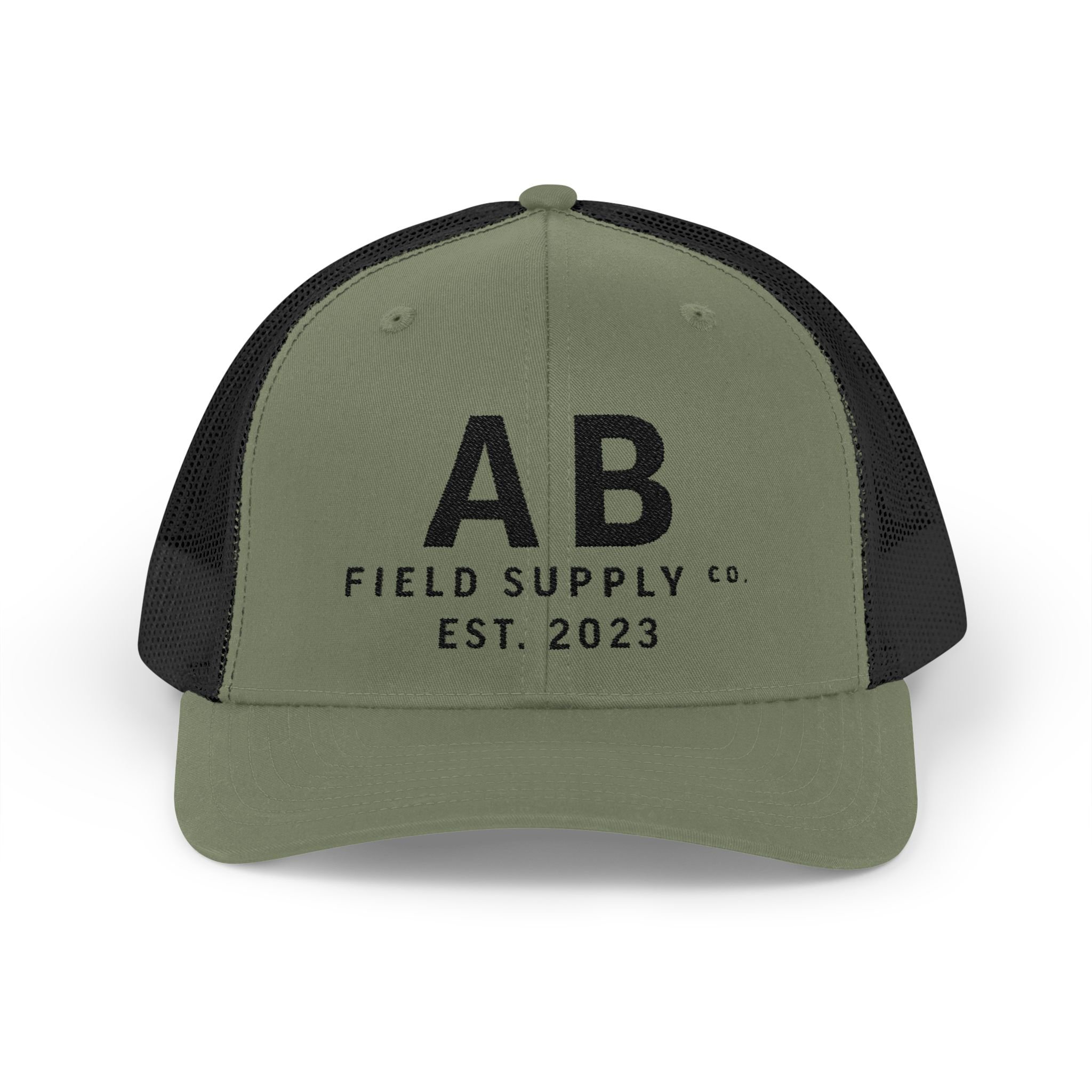
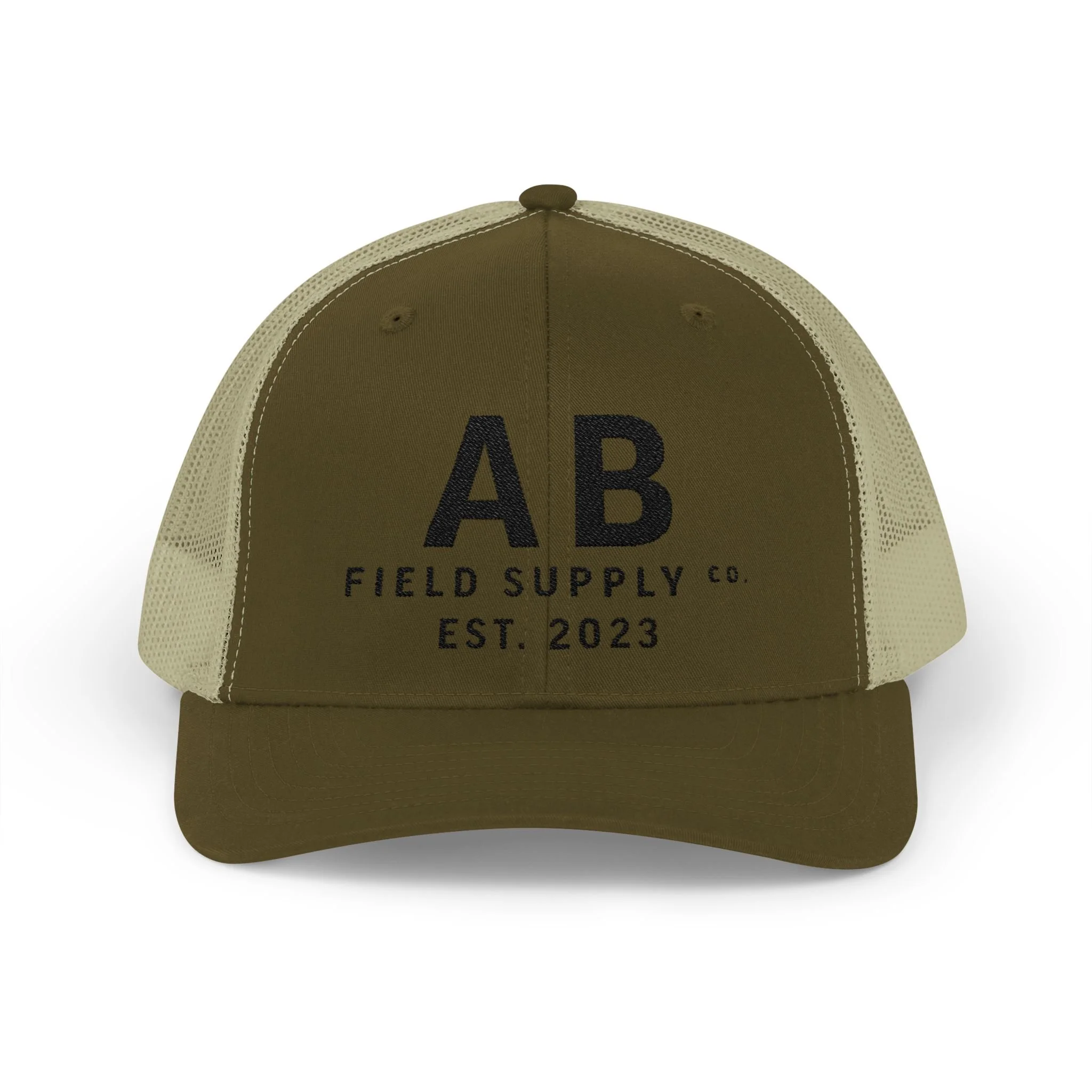
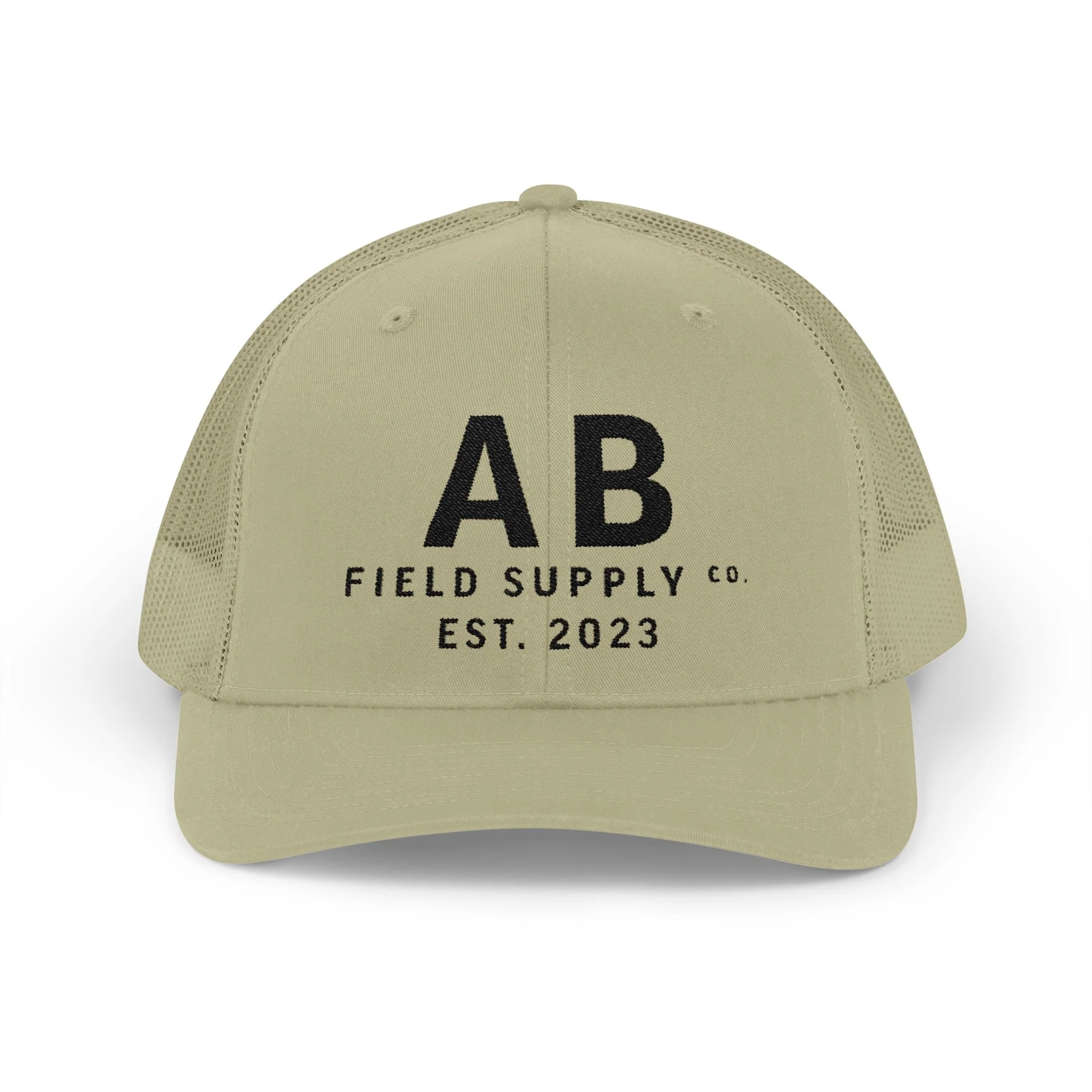
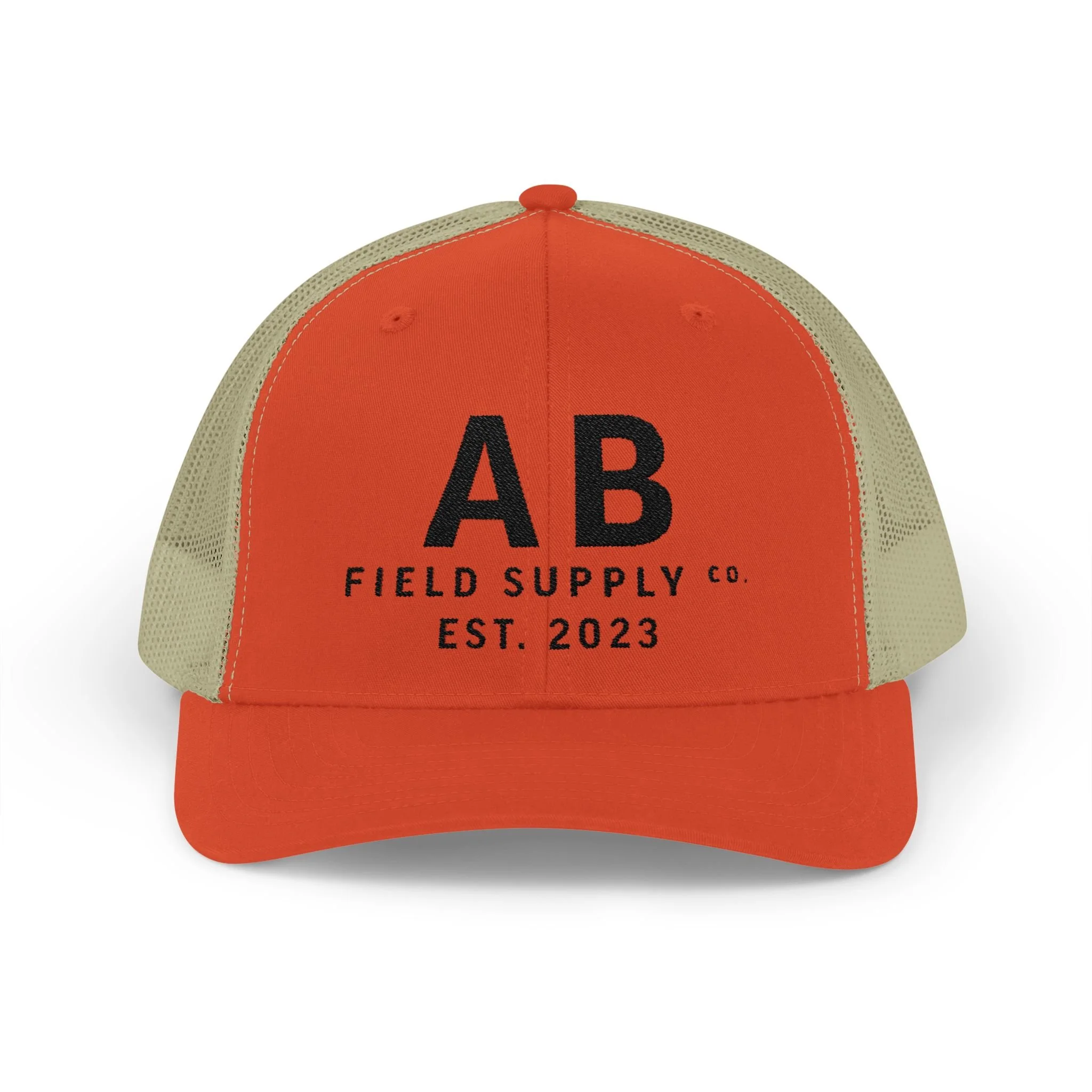
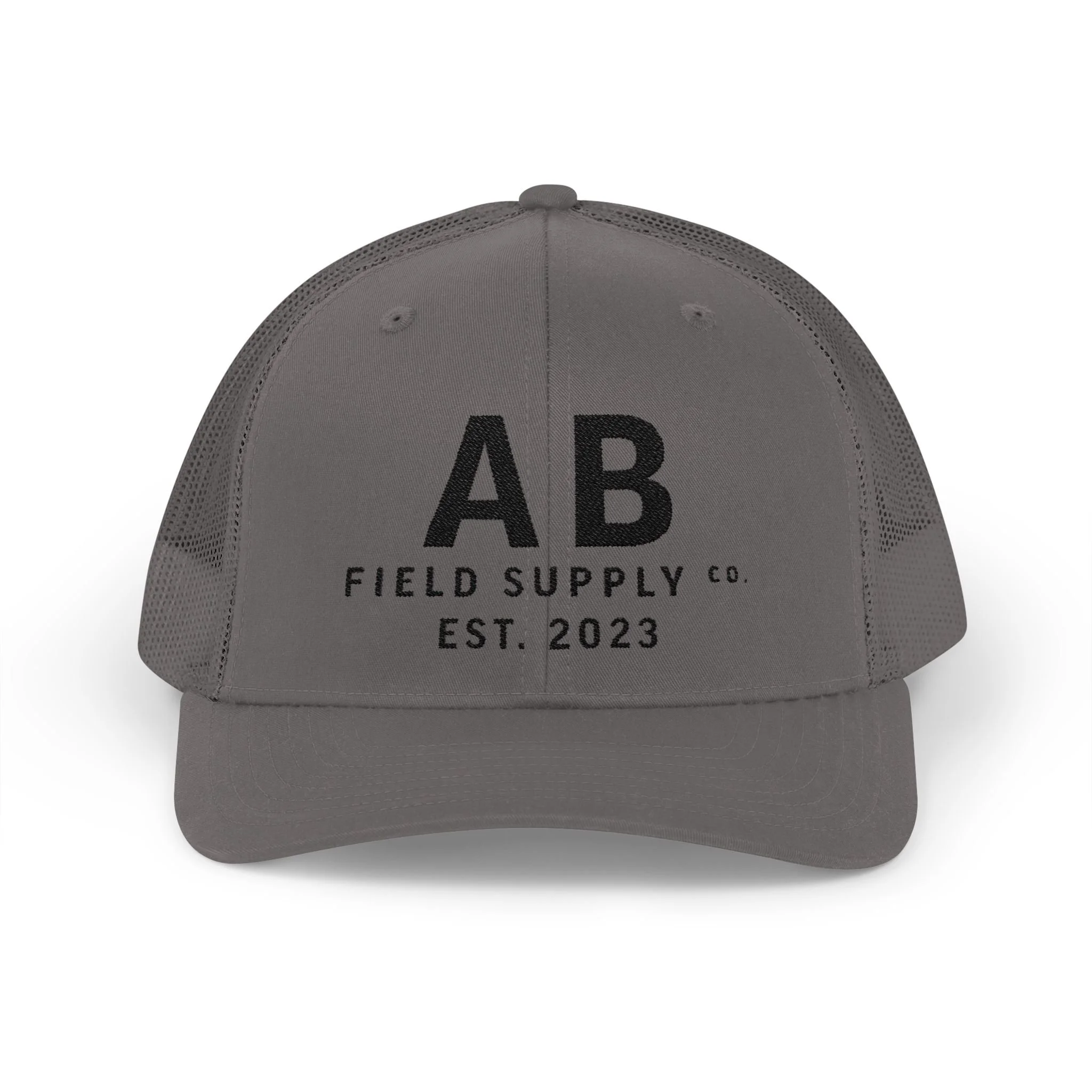
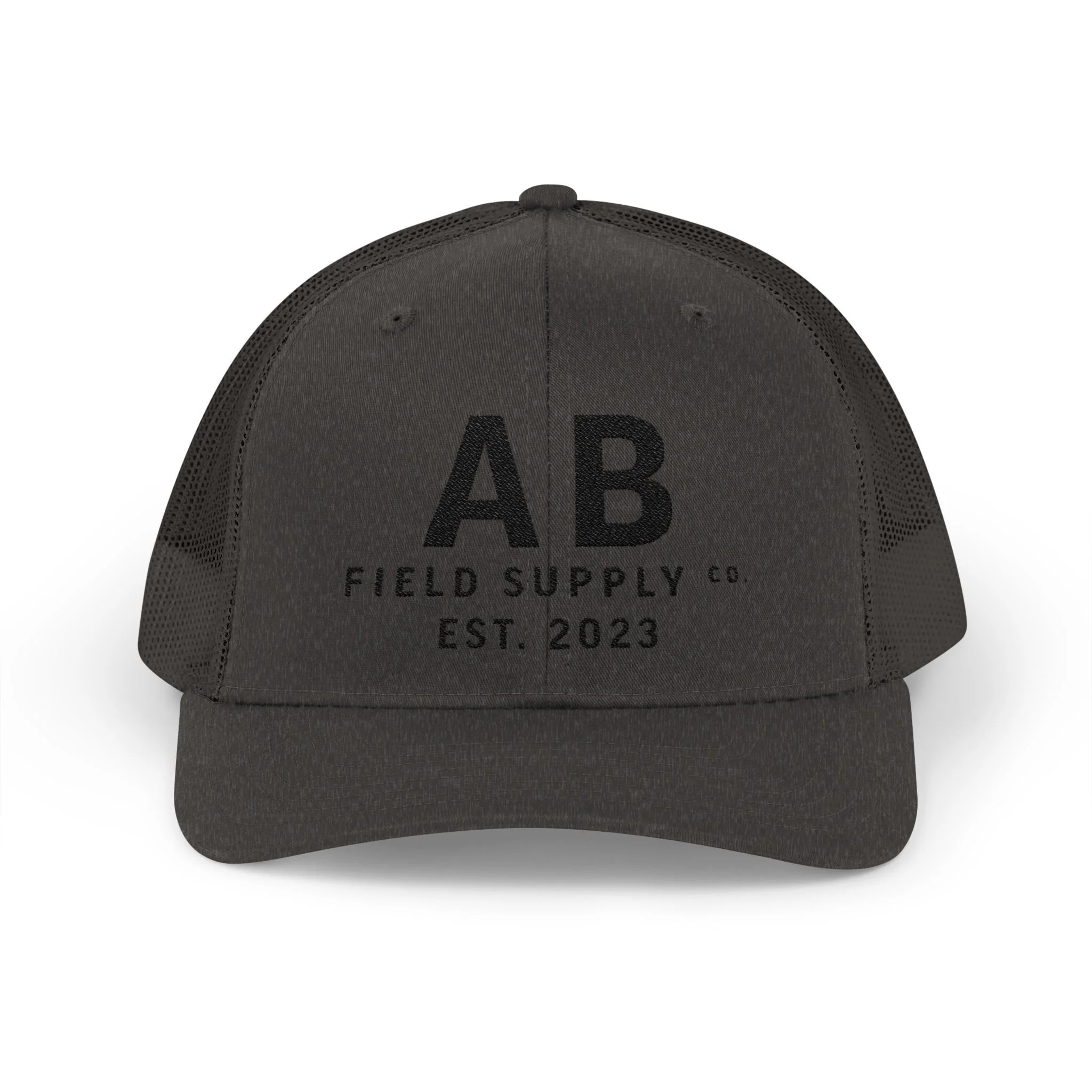
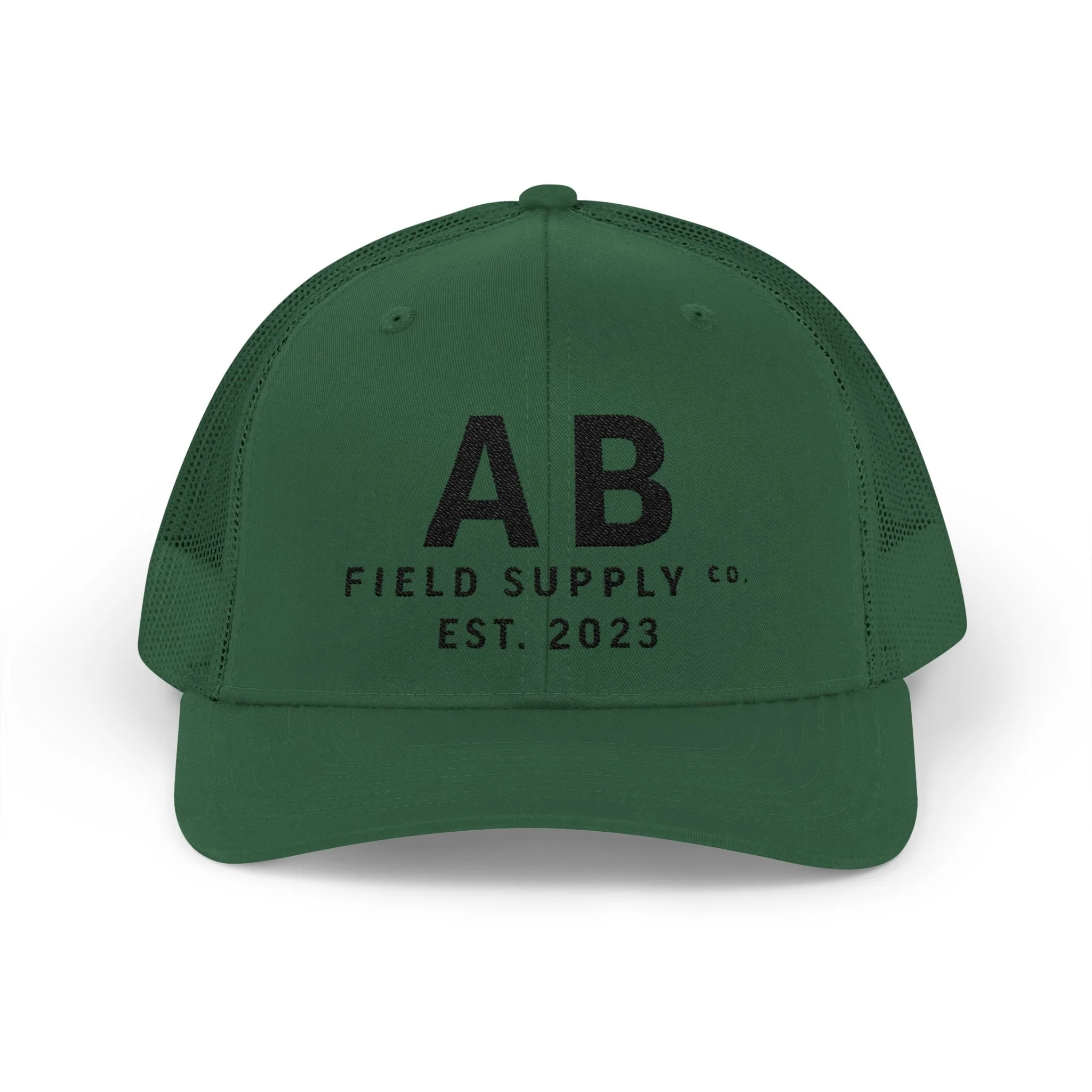
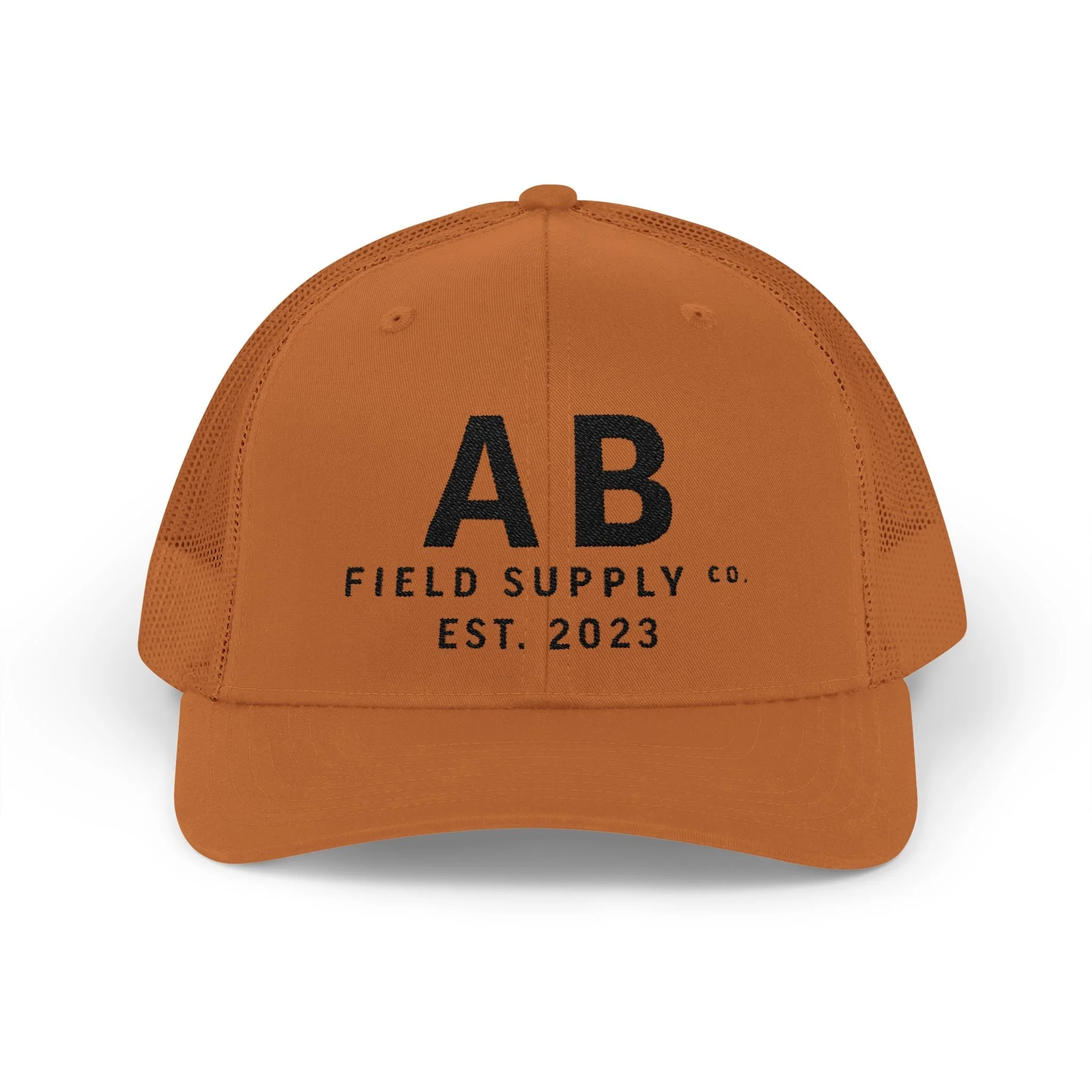
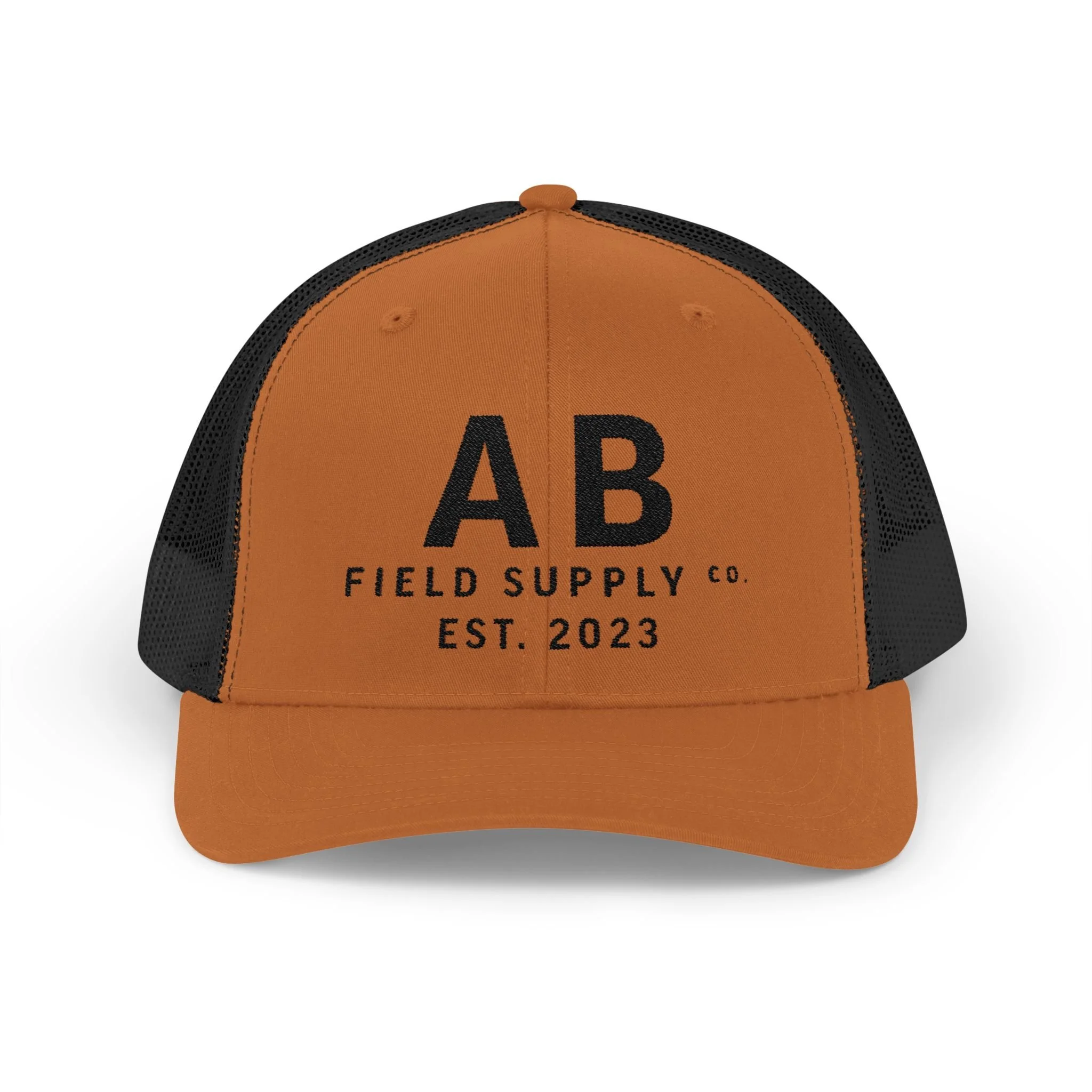
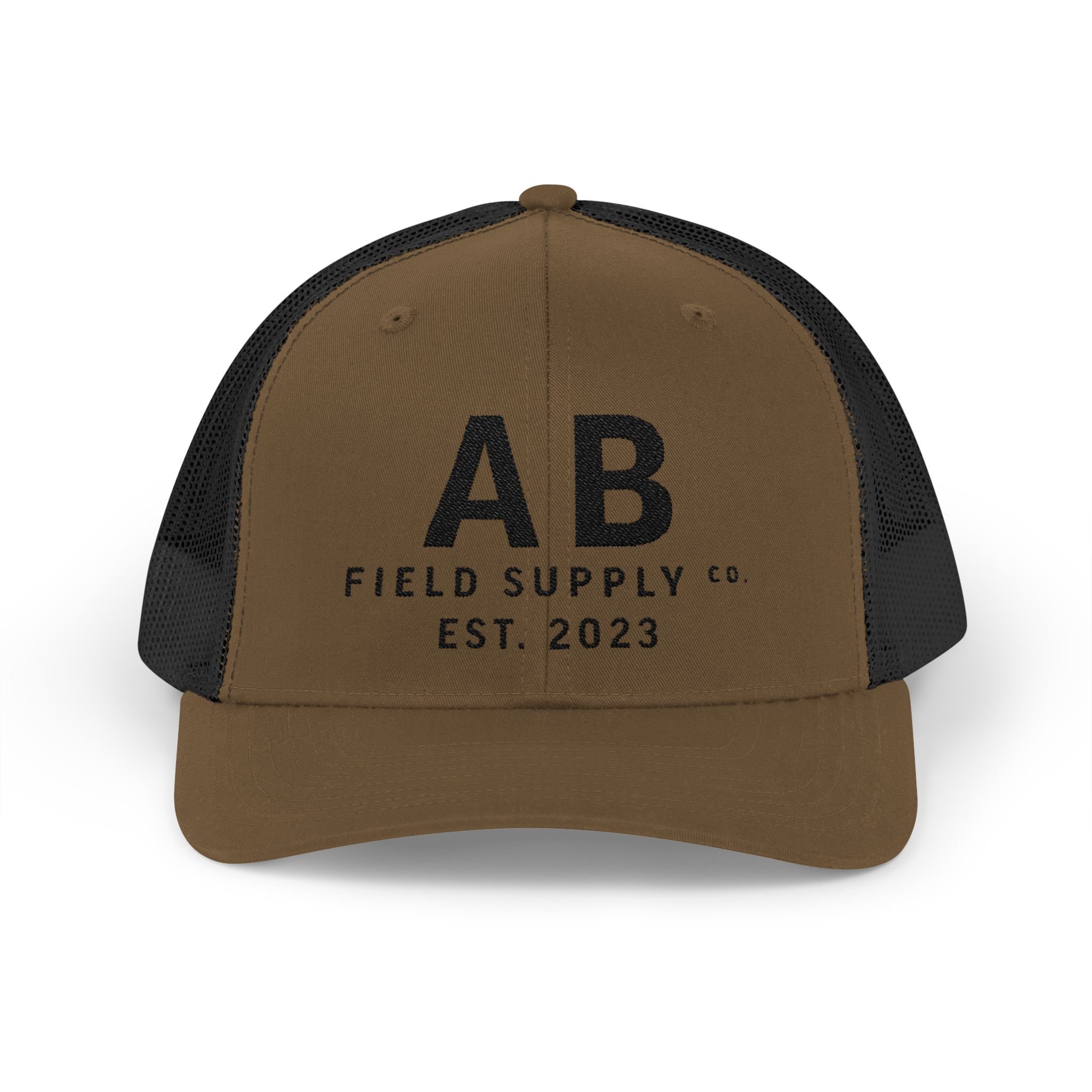
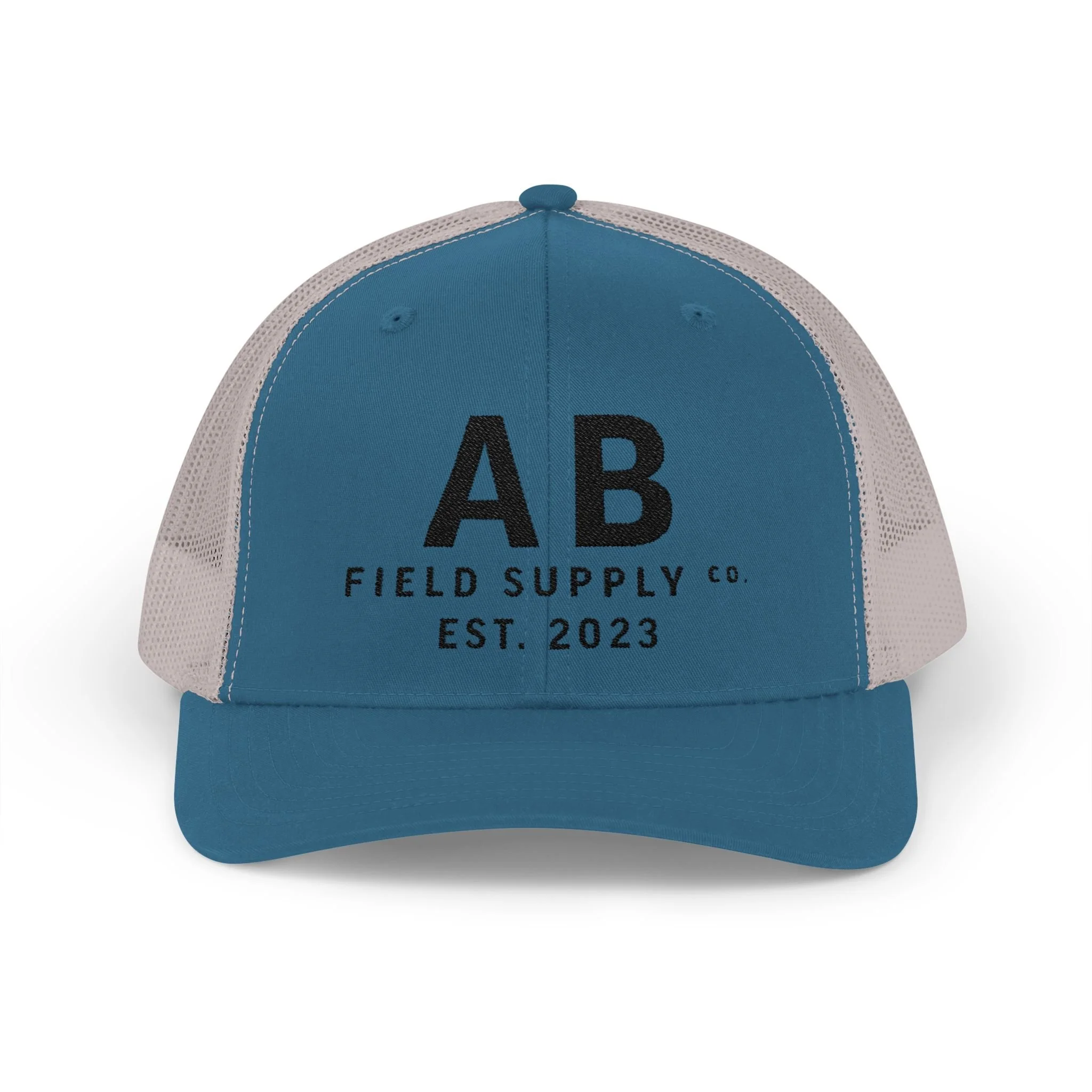
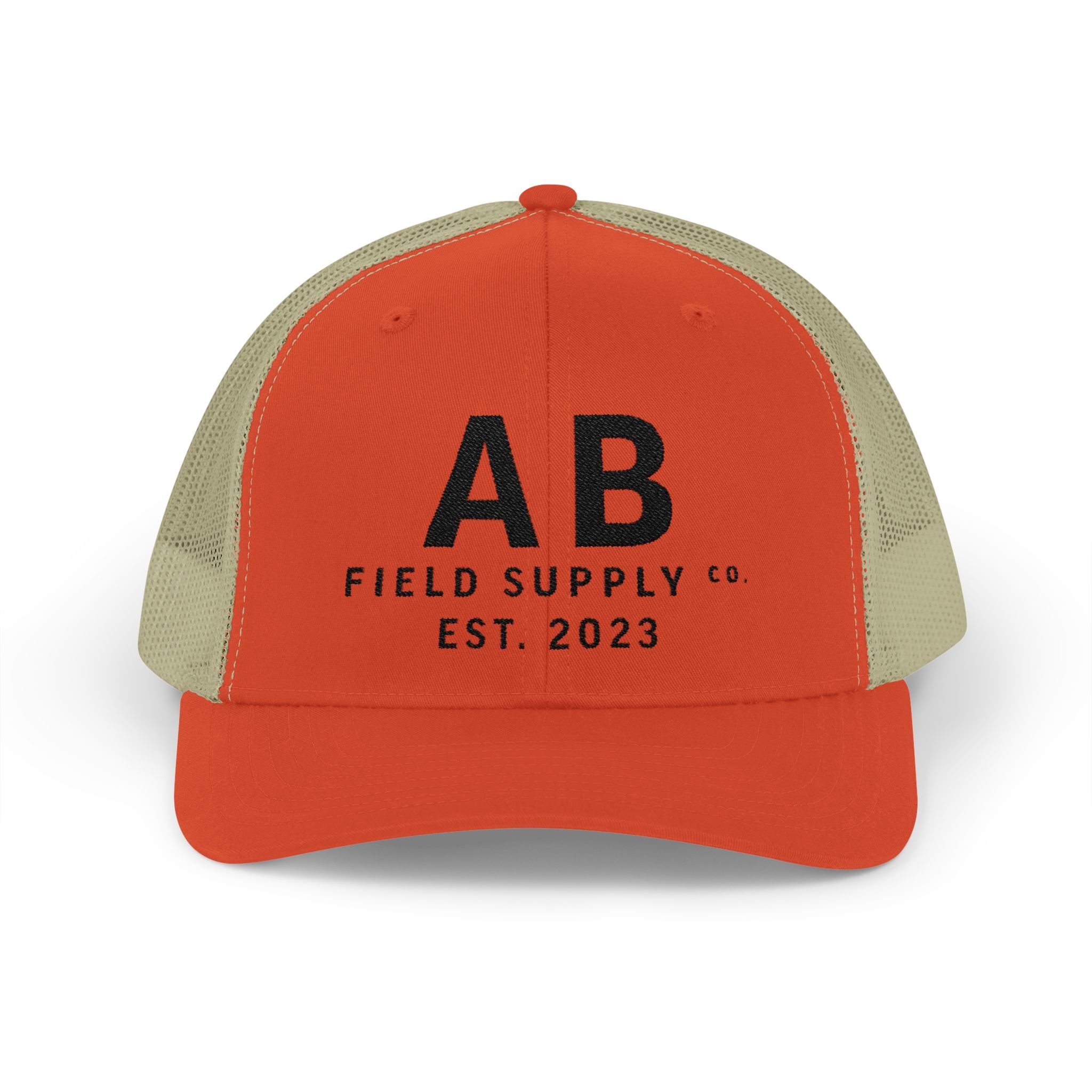
Made for long days outside and whatever comes after.
The AB Field Supply Trucker Hat pairs a structured front with a breathable mesh back and an easy mid-profile fit. The embroidered Field Supply mark keeps it clean and understated, while the curved visor and adjustable snap make it an everyday grab-and-go cap.
Made to wear in, not wear out.
Details
- Structured six-panel design
- Mid-profile fit
- Pre-curved visor
- Breathable mesh back
- Adjustable snap closure
- Cotton sweatband
- 60% cotton / 40% polyester front
- 100% polyester mesh back
Care
Spot clean with warm water and mild soap. Use a soft-bristled brush for tougher spots.
GEAR GUIDE
Looking for the glasses, tools, books, studio gear, and other things we use? We’ve collected our favorites in one place.
As an Amazon Associate, Artfully Bourbon earns from qualifying purchases.